
 Raghava
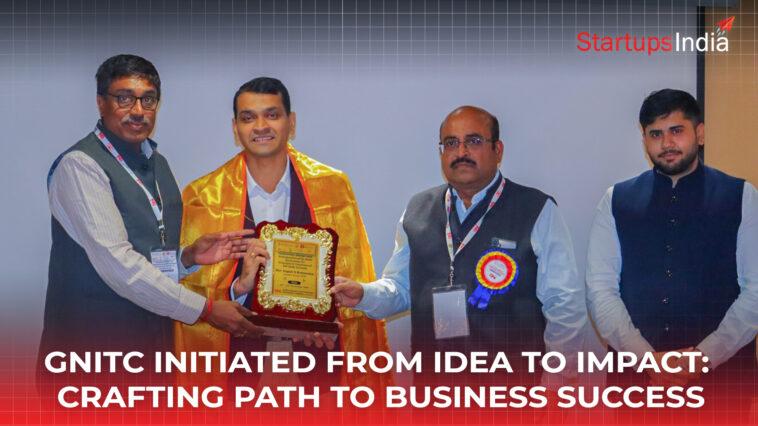
FROM IDEA TO IMPACT: CRAFTING PATH TO BUSINESS SUCCESS
Session 1: Recap of Day 1 & Objective Setting for Day 2 by Resource Team.
Day 2 began with a short recap, facilitated jointly by the resource team, where participants summarized key points from Day 1, including design thinking, D.I.S.R.U.P.T model, problem framing, and government initiatives. Volunteers from among the participants shared reflections on how their understanding of innovation had shifted. The facilitators then outlined the objectives for Day 2: translating identified problems into customer‑centric understanding, shaping value propositions, and taking the first steps towards structured business models. This quick alignment ensured continuity and helped participants mentally connect the sessions as a coherent learning journey.
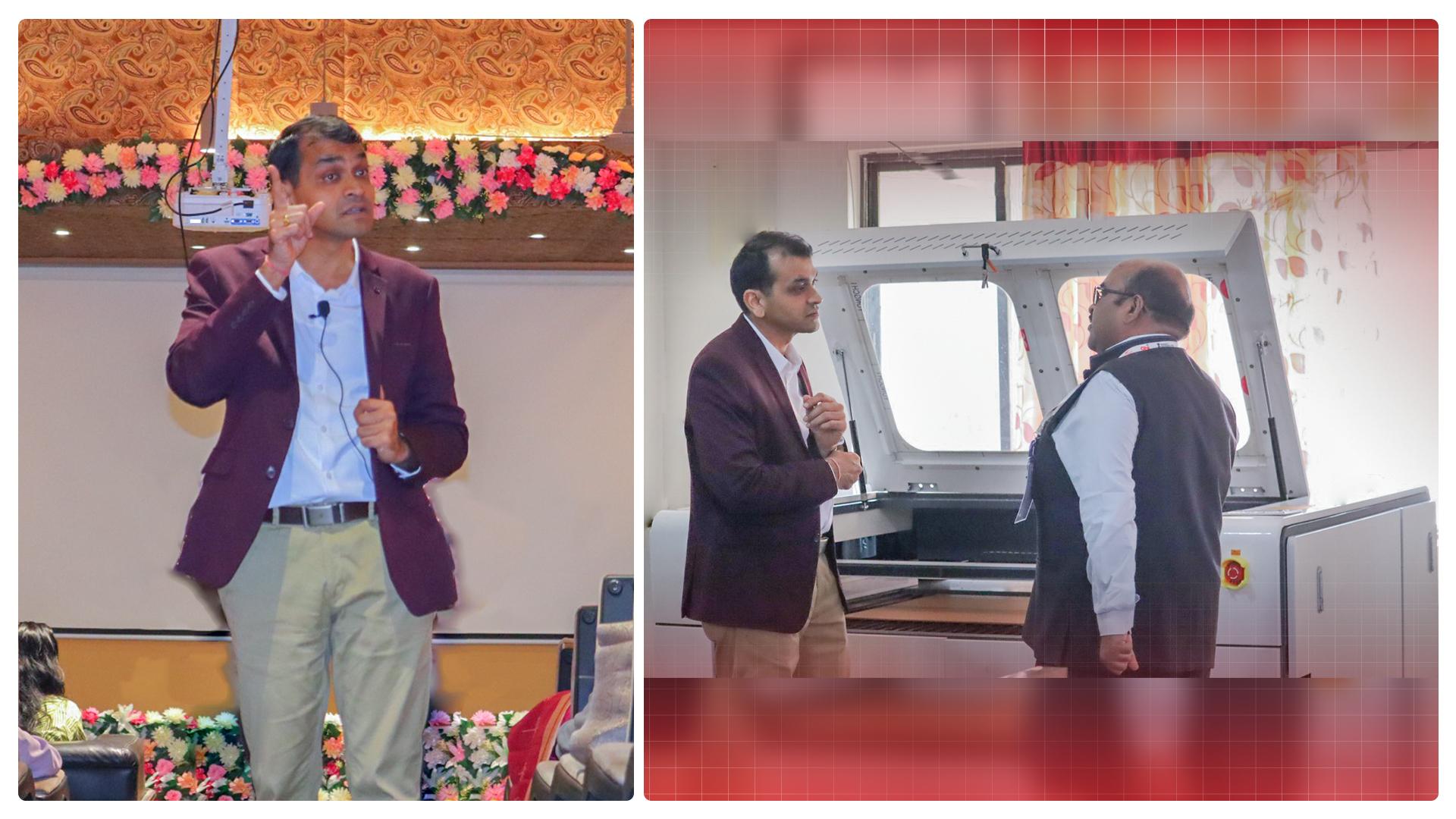 Session 2: “Know Your Customer – Customer Persona Lab” by Dr. Rajesh Kandula, Expert Member, Wadhwani Foundation.
In this highly interactive lab session, Dr. Rajesh introduced the concept of “customer persona” as a tool to deeply understand the end user of an innovation or product. He explained the difference between generic target groups and specific, detailed personas that capture demographics, motivations, pain points, and behavioural traits. Participants were asked to pick one problem statement developed on Day 1 and identify the primary customer (student, parent, teacher, or community member). Using structured templates, each group created 1–2 customer personas, filling in details such as goals, challenges, daily routines and technology usage. The activity highlighted how nuanced understanding of users leads to better solution design and adoption. Dr. Rajesh walked around, giving group-wise feedback and illustrating how assumptions must be validated through observation or simple surveys before building solutions.
Session 3: “From Empathy to Action – JTBD Approach” by Ms. Lavanya G, Expert Member, Wadhwani Foundation G
Ms. Lavanya G, Expert Member, Wadhwani Foundation introduced the “Jobs To Be Done” (JTBD) framework as a logical extension of empathy-driven design. She explained that customers “hire” products or solutions to perform specific “jobs” in their lives, and understanding these jobs is crucial for crafting effective solutions. Through simplified diagrams and real-life examples (such as learning apps, transport services, or teaching aids), she demonstrated how to articulate functional, emotional, and social jobs of students and teachers. Participants mapped the earlier developed customer personas to their corresponding “jobs to be done” using structured worksheets. The session bridged theory and practice by asking groups to convert empathetic observations into actionable problem statements and initial solution directions. This helped participants see how abstract empathy can translate into practical interventions in classrooms and school processes.
 Session 4: “Making Your Business Stand Out – Build a Solution Idea & Unique Value Proposition” by Dr. Rajesh Kandula, Expert Member, Wadhwani Foundation.
In this concise but critical session, Dr. Rajesh explained the importance of a Unique Value Proposition (UVP) that clearly states why a particular solution is distinct and beneficial compared to existing alternatives. He walked through examples of educational products and startups, dissecting their value propositions. Participants were guided to think about how their proposed school-level solutions (developed during the bootcamp) could offer unique benefits—be it lower cost, ease of implementation, localized content, or better engagement. They wrote draft UVP statements, which were refined through peer feedback. The session clarified how clarity of value proposition is essential for both social impact and potential commercialization.
Session 5: Special Session with Shri Yogesh Brahmankar, Innovation Director – Ministry of Education, Innovation Cell – AICTE, New Delhi.
This virtual/interactive session (as scheduled) with Shri Yogesh Brahmankar provided participants with a national – level perspective on innovation in school education. He spoke about the vision of MoE’s Innovation Cell, the strategic importance of building a culture of problem-solving among school students, and the mechanisms through which PM SHRI Schools can become exemplars. He elaborated on how the Ministry supports innovation through policy initiatives, training programs, competitions, and collaborations with industry and higher education. Shri Brahmankar encouraged principals and teachers to systematically document innovations, mentor student teams and leverage platforms such as School Innovation Councils and ATL tinkering labs. The session was highly motivating and helped participants understand that their efforts are part of a larger nationwide transformation.
Session 6: “PARAKH – Session by NCERT” by Ms. Lavanya G, Expert Member, Wadhwani Foundation G / Dr. Rajesh Kandula, Expert Member, Wadhwani Foundation.
In this session, the facilitators sensitized participants to the PARAKH initiative (Performance Assessment, Review, and Analysis of Knowledge for Holistic Development) of NCERT. The session highlighted how assessment reforms are crucial companions to innovation-oriented pedagogy. Participants were introduced to competency – based assessment, higher order thinking questions, and project – based evaluation aligned with NEP 2020. The facilitators explained how PARAKH frameworks can be integrated with innovation projects so that students are assessed not only on content knowledge but also on creativity, collaboration and problem solving. Short sample questions and rubrics were discussed, and participants reflected on revising their own assessment methods to encourage innovation rather than rote learning.
Session 7: “Innovation in Action – Visit to Incubation Centre / Centre of Excellence (IDEA Lab)” by MIC / Institution in‑charge.
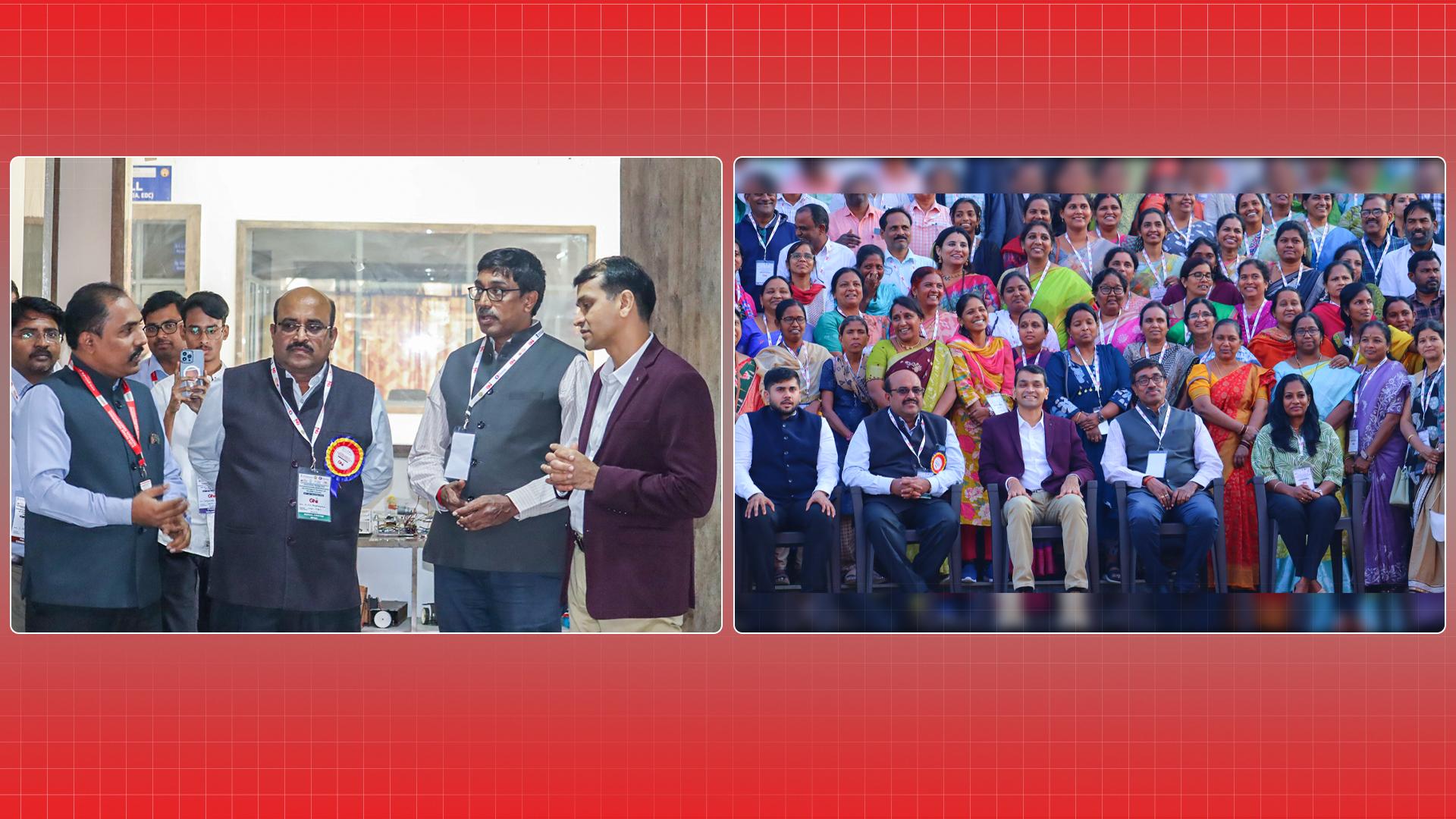
A guided visit was organized to the Incubation Centre / Centre of Excellence – IDEA Lab within the GNITC campus, where participants were taken through various labs and fabrication facilities, including the CNC router, computer‑aided lathe machine, solar laboratories and other prototyping set‑ups. Faculty coordinators and lab staff demonstrated how these facilities are used by students to convert ideas into working prototypes, from precision mechanical components to renewable-energy based solutions. Ongoing student projects and campus startups were showcased, highlighting the journey from conceptual design to testing and refinement. The visit enabled school principals and teachers to clearly visualize how similar, age‑appropriate makerspaces and innovation labs can be scaled down and created at school level using simpler versions of such tools and low‑cost materials. Interactions with student innovators and incubation staff provided practical insights on project selection, safety practices, scheduling lab usage, managing innovation clubs, organizing hackathons, and linking school projects with higher‑education institutes and local industries. This experiential exposure strongly reinforced the message that innovation becomes achievable and sustainable when supported by structured infrastructure, mentorship and a nurturing ecosystem.

GIPHY App Key not set. Please check settings