
 Raghava
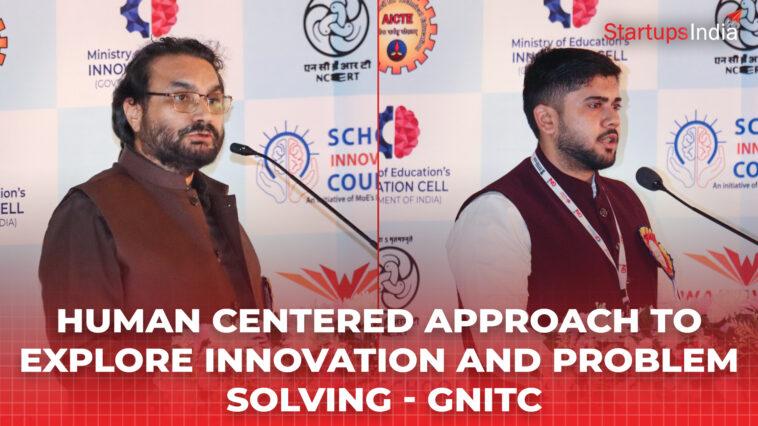
Guru Nanak Institutions Technical Campus (GNITC), Hyderabad, in collaboration with MoE’s Innovation Cell, AICTE, Department of School Education & Literacy, NCERT, PM SHRI, School Innovation Council and Wadhwani Foundation, organized an AICTE Sponsored Three-Day Innovation Design & Entrepreneurship (IDE) Bootcamp for Principals and Teachers of PM SHRI Schools from 22nd to 24th December 2025. The program aimed to orient school leaders and teachers towards innovation-driven pedagogy, design thinking, and entrepreneurial mindset so that they can nurture 21st century skills among students. The bootcamp combined expert talks, structured workshops, case studies, group activities and exposure visits to provide an end-to-end experience from problem identification to idea validation, prototyping and understanding funding avenues.
Inaugural Session
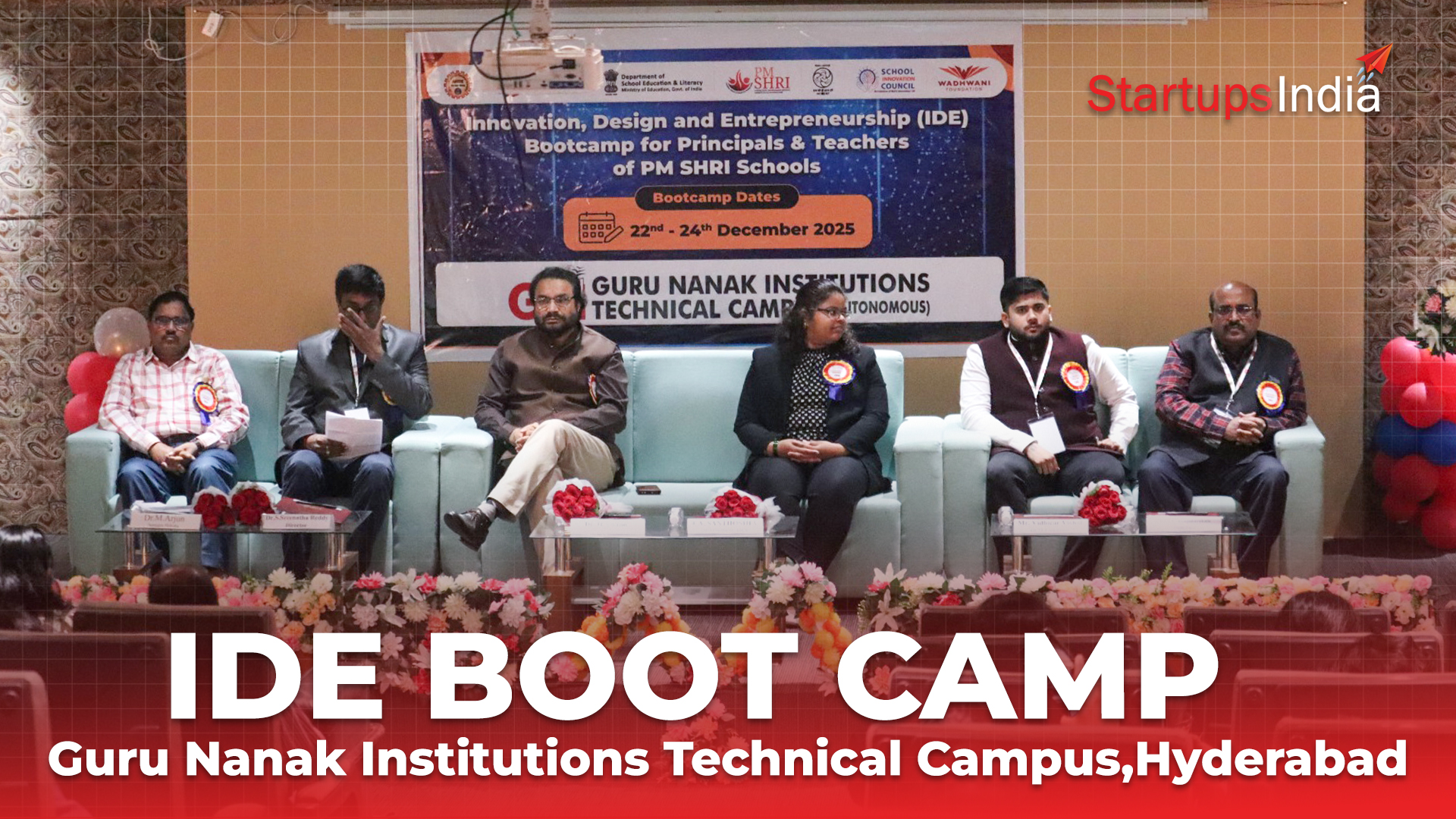
The formal inauguration of the bootcamp was held at Shaheed Bhagat Singh Auditorium of GNITC. Participants assembled by 9:30 AM., followed by the dignitaries being invited on to the dais. The session began with the National Song, setting a solemn and patriotic tone for the three-day academic event.
Dr. Sreenatha Reddy, Director, GNITC, delivered the welcome address, highlighting the institutional commitment towards fostering innovation and entrepreneurship in alignment with NEP 2020 and PM SHRI objectives.
Mr. Vidhikar Vishal, AICTE Coordinator, presented an overview of the bootcamp, explaining its structure, resource persons, and expected outcomes.
Another Guest of Honour, CA. Santhoshi Reddy V, Vice President, T-Hub, spoke about the vibrant startup ecosystem in Telangana and stressed how teachers can become innovation mentors.
Dr. H. S. Saini, Vice Chancellor, Guru Nanak University (GNU) & Managing Director, Guru Nanak Institutions (GNI), and Sardar Gagandeep Singh Kohli, Chancellor, GNU & Vice Chairman, GNI, emphasized institutional initiatives for innovation and assured continued support.
During the inauguration, Dr. M. Arjun, State Pedagogy Coordinator, Samagra Shiksha Abhiyan, Government of Telangana, also addressed the gathering. He highlighted the importance of nurturing innovation culture in schools and urged the principals to adopt creative pedagogical practices that align with the objectives of the IDE Bootcamp and NEP 2020. His remarks motivated the participants to act as catalysts for innovation at the grassroots level.
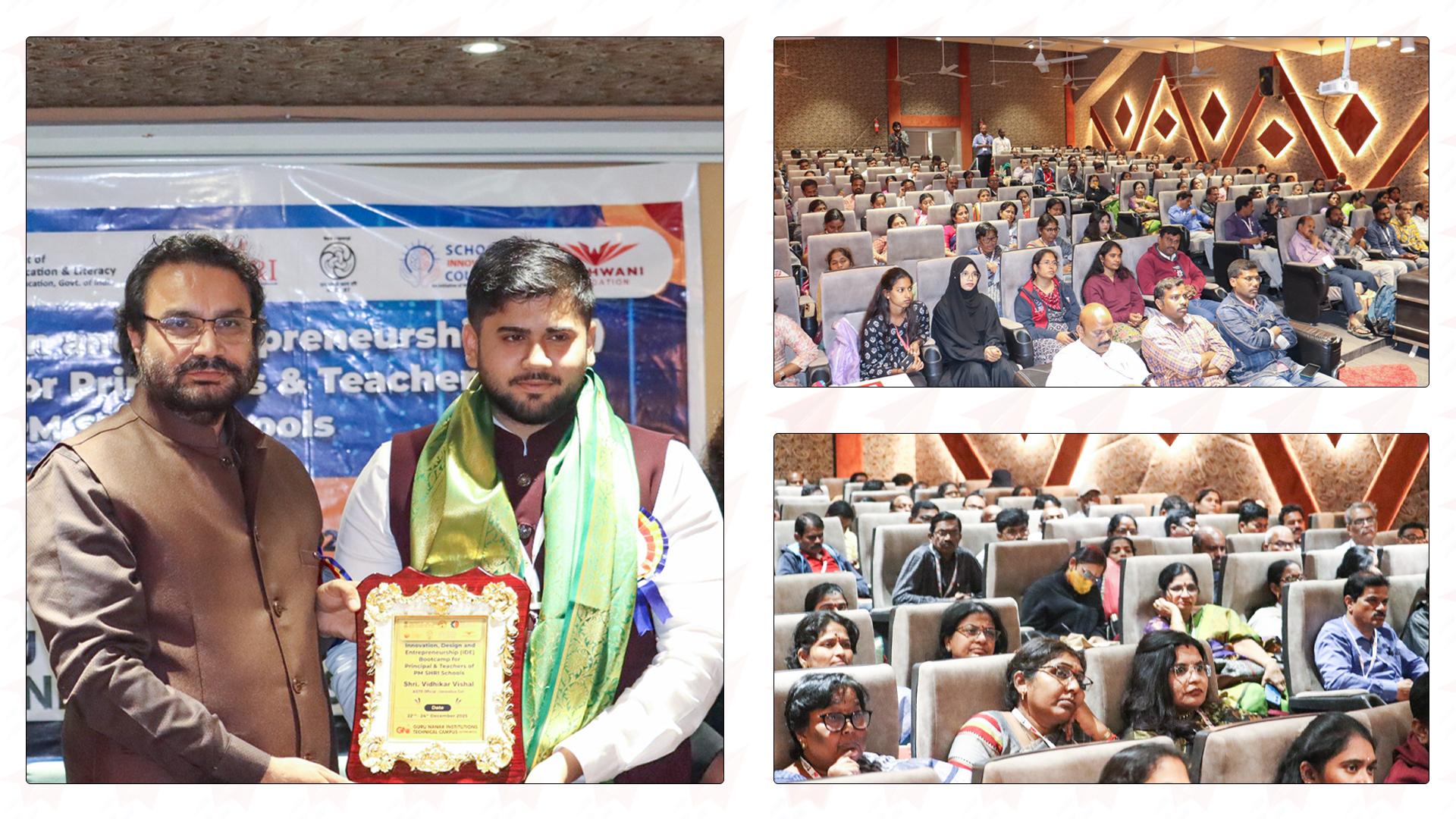
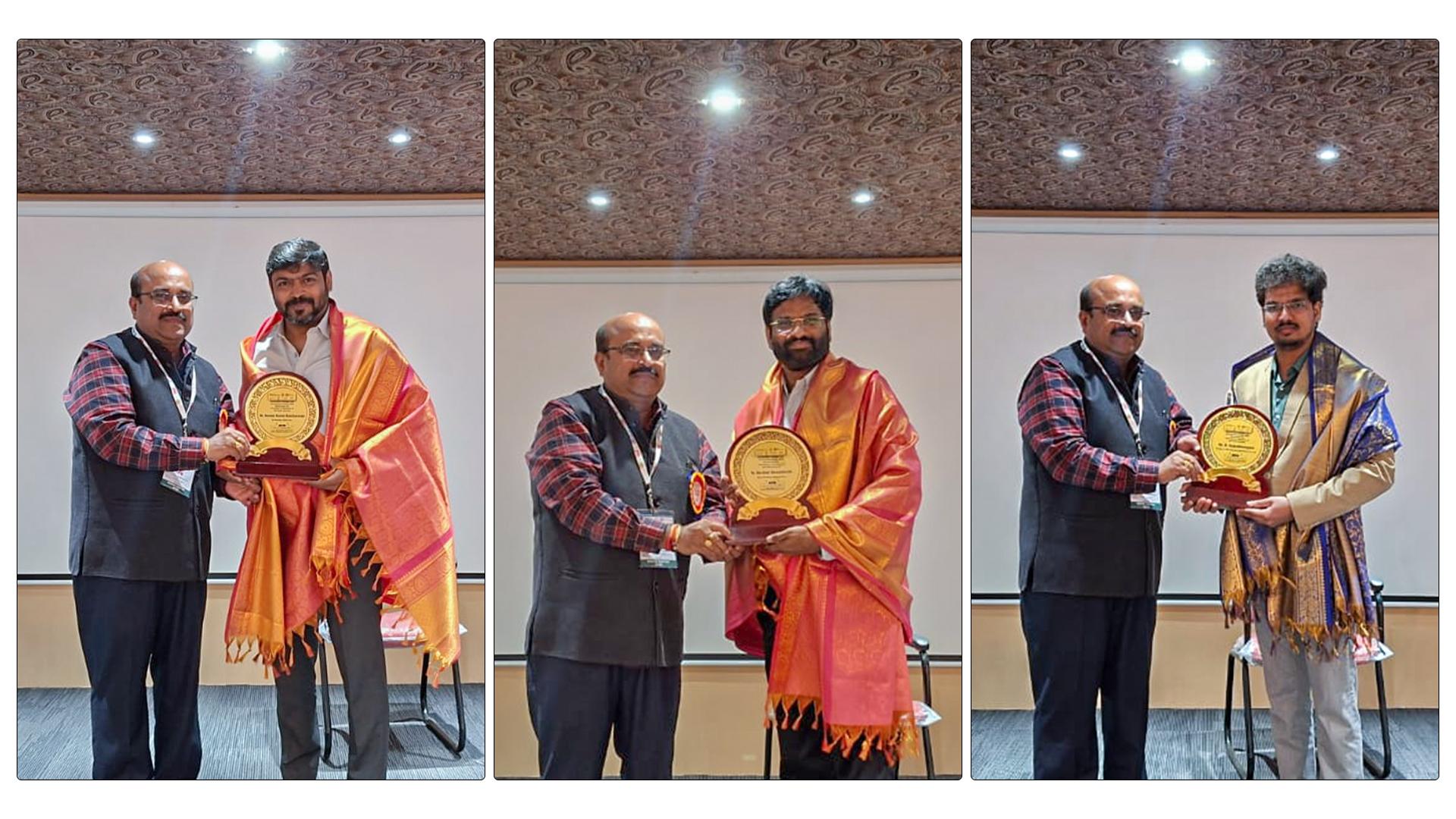
The dignitaries were felicitated, and the inauguration concluded with a Vote of Thanks by Dr. S. V. Ranganayakulu, Dean R&D, GNITC, who expressed gratitude to AICTE, MoE’s Innovation Cell and all collaborating agencies.
 DAY 1: HUMAN CENTERED APPROACH TO EXPLORE INNOVATION AND PROBLEM SOLVING.
Session 1: Registration & Networking
The bootcamp commenced with registration and networking facilitated by MIC/Institution in‑charge. Participants from various PM SHRI Schools across Telangana registered, collected the program kits and were guided to interact with fellow principals and teachers. This informal networking space was important to build rapport and a collaborative learning environment even before formal sessions began. The coordinators encouraged participants to share their institutional experiences, expectations from the bootcamp, and current innovation practices in their schools. This initial interaction ensured that participants felt comfortable, recognized the diversity of the group and became ready for intensive collaborative activities planned for the subsequent sessions.
Session 2: State Inauguration by MIC / Institution in – charge
In this brief State-level inauguration specific to the bootcamp cohort, representatives from MoE’s Innovation Cell and institutional coordinators addressed the participants about the national vision of the IDE bootcamps being conducted across India. The session highlighted the role of PM SHRI Schools as model schools for innovation and experiential learning. Speakers explained the linkage between School Innovation Councils, MIC initiatives and AICTE’s efforts at the higher education level, thereby giving participants a systemic view of the innovation ecosystem. The importance of teachers as frontline innovators and facilitators of student-led projects was emphasized, and participants were encouraged to actively engage in all activities to carry back actionable practices to their schools.
Session 3: “Spark Quest – Introduction to Innovation and Design Thinking Principles”
by Ms. Lavanya G, Expert Member, Wadhwani Foundation G,
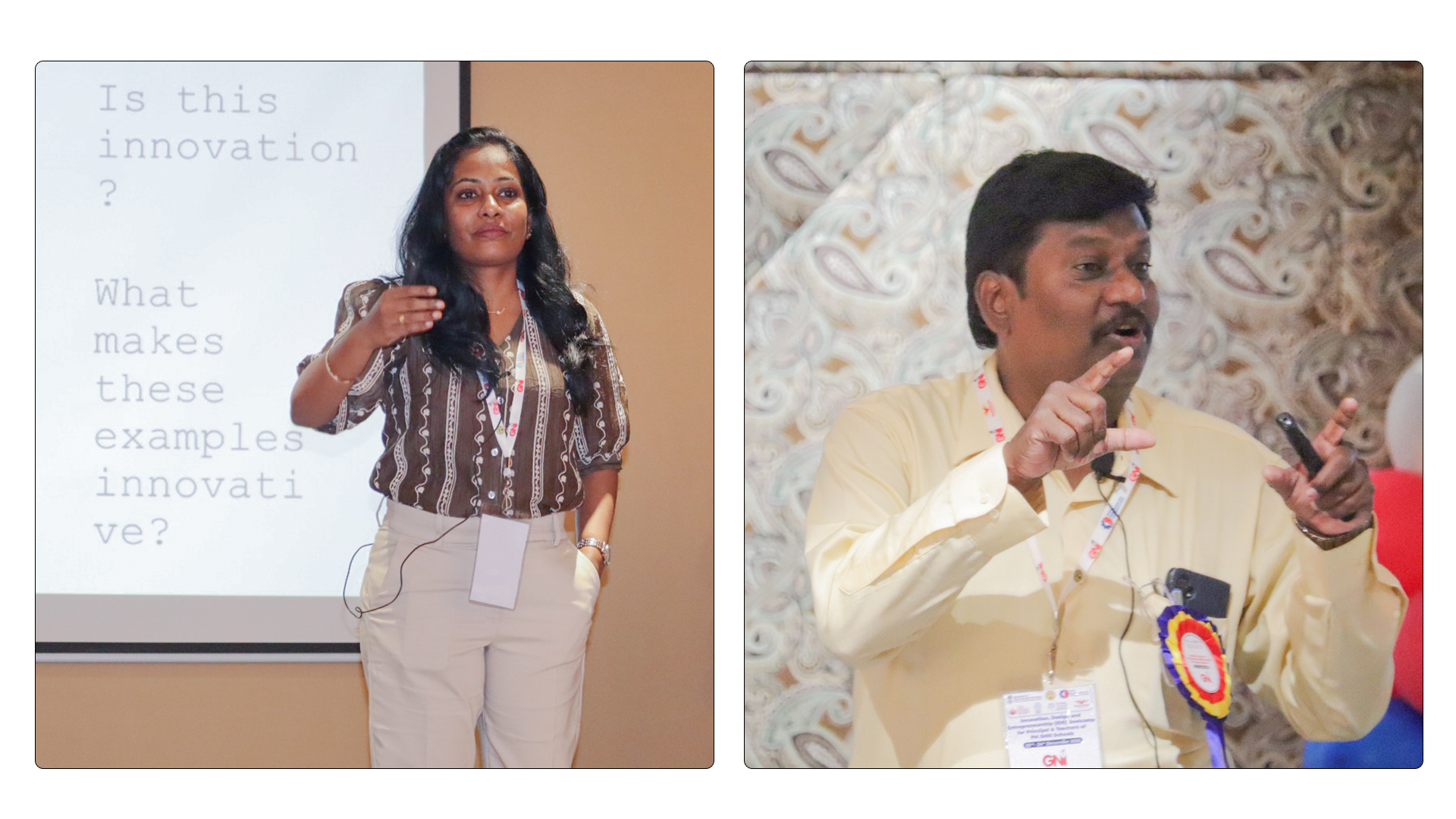
This foundational session by Ms. Lavanya G, Expert Member, Wadhwani Foundation G introduced the core concepts of innovation, creativity and design thinking in a school context. She explained why innovation is not confined to technology or labs but can emerge in pedagogy, assessment, classroom management and community engagement. Using simple real-life examples, videos, and interactive questioning, she outlined the stages of design thinking—empathize, define, ideate, prototype, and test—and connected them to classroom practices. Participants were engaged in short reflective activities to recall instances where they or their students had improvised solutions in daily life. The importance of a human centered approach, empathy towards students and stakeholders, and creating safe spaces for failure and experimentation was stressed, setting a conceptual base for the rest of the bootcamp.
 Session 4: “Activity ID8 – D.I.S.R.U.P.T Model to Innovations” by Dr. Rajesh Kandula, Expert Member, Wadhwani Foundation.
Dr. Rajesh Kandula, Expert Member, Wadhwani Foundation introduced participants to the D.I.S.R.U.P.T model as a structured framework for generating and refining innovative ideas. He elaborated each element of the acronym (such as Discover, Ideate, Strategize, Refine, Prototype and Test – model explained as per his framework) and mapped it to specific classroom or school scenarios. The session was conducted in a highly activity-based mode: participants were divided into groups and given common school-level challenges like dropout, low engagement in STEM, or lack of digital access. Using worksheets aligned with the D.I.S.R.U.P.T steps, each group was guided to systematically move from problem discovery to potential solution concepts. Dr. Rajesh emphasized the necessity of data gathering, stakeholder consultation, and iterative improvement. By the end of the session, each group had outlined at least one innovation project idea, giving a tangible outcome to the abstract model.
Session 5: “Entrepreneurial Innovation: A Path to Problem and Opportunity Identification – A Case Study Approach” by Ms. Lavanya G, Expert Member, Wadhwani Foundation G.
In this session, Ms. Lavanya G, Expert Member, Wadhwani Foundation G shifted the focus from innovation in general to entrepreneurial innovation and opportunity recognition. Using a case-study approach, she presented stories of student startups, social enterprises, and school-level initiatives that had grown into impactful ventures. The cases illustrated how simple observations of local problems (water wastage, waste management, learning gaps, energy usage) could be converted into viable solutions and even entrepreneurial ventures. Participants were guided to analyse each case using questions like: Who is the customer? What is the problem? What is the solution and value proposition? How is sustainability ensured? Through guided discussion and group work, teachers explored how to help students identify opportunities in their own communities and design projects that create social and economic value. The session highlighted the mindset shift from job-seeking to job-creating and sensitized educators to mentor student entrepreneurs.
 Session 6: “Assemble Real World Problems: Find It, Frame It – Group Activity”
by Dr. Rajesh Kandula, Expert Member, Wadhwani Foundation
This short but intensive activity facilitated by Dr. Rajesh focused on the crucial skill of problem framing. Participants were asked to list real-world issues faced by their students, schools or local communities and then select one problem per group for deeper exploration. Using guiding templates, they learned to differentiate between symptoms and root causes, identify stakeholders, and frame the problem statement in a clear, measurable, and human‑centered manner. Dr. Rajesh emphasized that “a well-defined problem is half solved” and demonstrated how good problem framing prevents wastage of resources on irrelevant solutions. The collaborative nature of the activity made participants aware of the diversity of contexts across schools, yet also revealed common challenges that could be tackled through shared innovation.
Session 7: “Innovation Initiatives of DoSEL, MoE” by Ms. Lavanya G, Expert Member, Wadhwani Foundation G.
In this session, Ms. Lavanya G, Expert Member, Wadhwani Foundation G presented a detailed overview of innovation-related initiatives spearheaded by the Department of School Education & Literacy (DoSEL), Ministry of Education. She discussed the objectives and structure of PM SHRI Schools, the role of School Innovation Councils, ATL/Innovation Labs, and national-level competitions and hackathons available for school students. The session also covered guidelines for identifying and documenting best practices, submitting innovation projects, and accessing government-designed resources and toolkits. Participants were briefed about monitoring frameworks, reporting formats, and digital platforms provided by MoE. This enabled school leaders to align their efforts with national priorities and tap into the available schemes and support systems for promoting innovation among students.
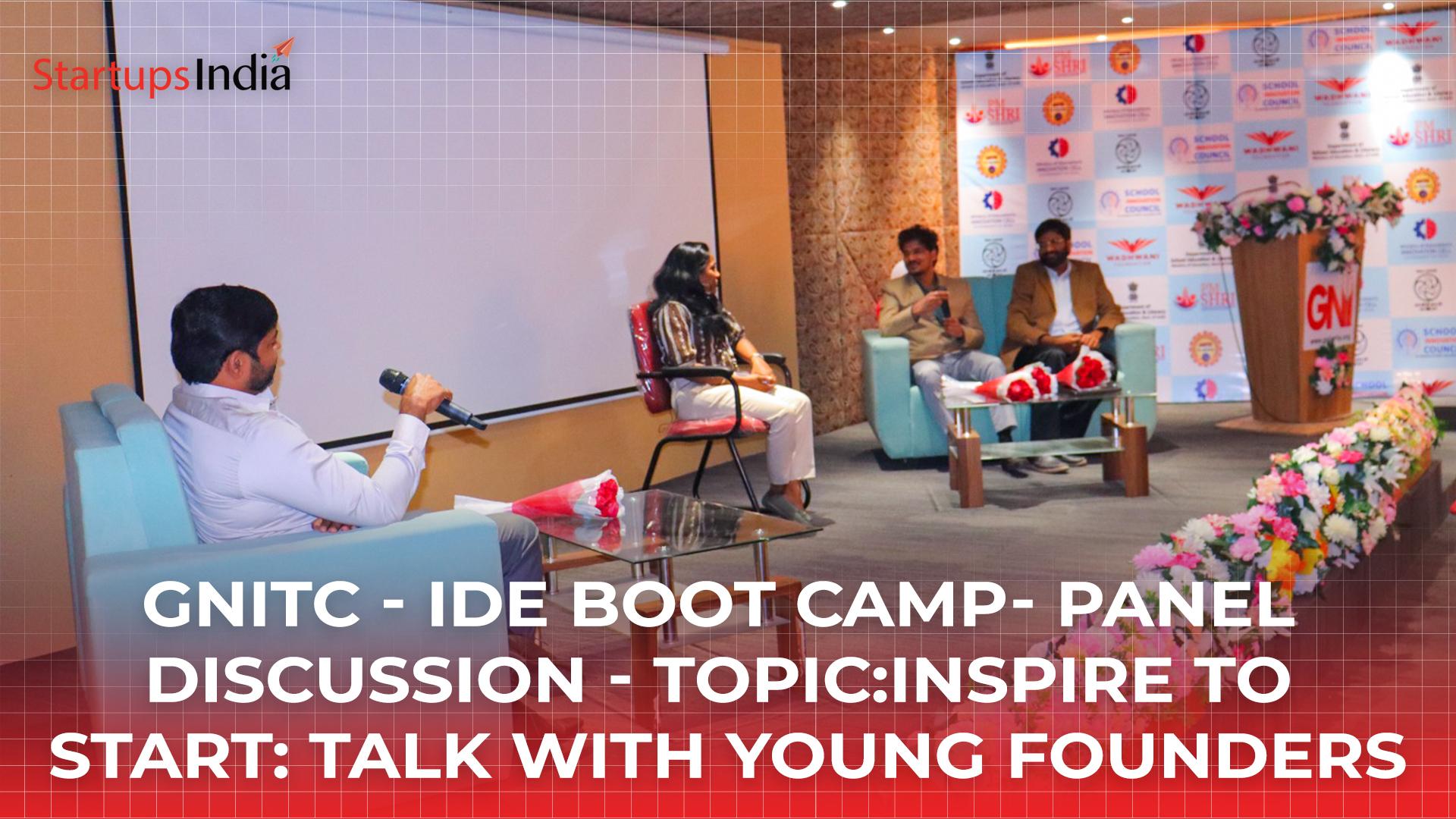 Session 8: Panel Discussion – “Inspire to Start: Talk with Young Founders” Moderated by Ms. Lavanya G, Expert Member, Wadhwani Foundation G.
The first day concluded with an inspiring panel discussion featuring young founders: Mr. K. Subrahmanyam (Founder & CEO, Neerovel Innovations Pvt. Ltd., Hyderabad), Mr. Naveen Kumar Kunchavaram (Co‑Founder, Nikarv Inc., Hyderabad) and Dr. Narahari Narasimhaiah (Vice President, Netenrich Inc., Hyderabad). Moderated by Ms. Lavanya G, Expert Member, Wadhwani Foundation, the panelists shared their entrepreneurial journeys, starting from idea conception, early failures, pivoting, funding challenges, to current scaling stages. They highlighted the critical role of teachers who supported them during school and college days and encouraged risk‑taking. The discussion covered practical aspects such as team building, customer validation, and balancing academics with innovation activities. Participants were given the opportunity to interact directly through Q&A, which helped demystify entrepreneurship and provided concrete examples they could share with their students to kindle entrepreneurial aspirations.


GIPHY App Key not set. Please check settings